Saturday, October 6, 2007

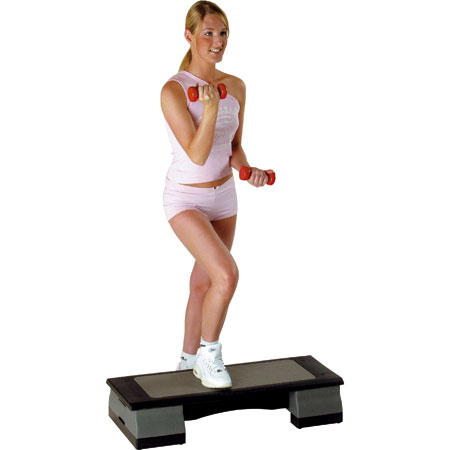
Aerobic vs. Anaerobic Exercise

The typical woman who squeezes in a few hours a week for a workout may not be educated in the actual science of what her muscles are doing. But, given the understanding of the brains behind your aching muscles, you can get the most out of your workouts.

Aerobic and anaerobic exercising describes two different kinds of work your body does while you’re in the gym. Aerobic exercise causes your body to use oxygen to make energy. While anaerobic exercise does the opposite- your body creates energy without oxygen. This occurs because your body needs energy so badly it will create it from other chemicals in your body.

What does all this really mean? During your workout, you may unknowingly switch from aerobic to anaerobic exercise. The simplest way to tell is by monitoring your heart rate. When you are working at about 70% of your maximum heart rate (225 less than your age), you are doing aerobic exercises. The way you perform your exercise determines if you are workout out aerobically or anaerobically.

Why exercise one way over the other? Your method of workout depends on what you are attempting to accomplish. Anaerobic exercise burns more calories than aerobic (about a 6/1 ratio). Where as aerobic exercise burns 25% muscle and 75% fat, anaerobic exercise burns 100% fat.

Typically anaerobic workouts use resistance training equipment, such as weights or machines in your gym. However, the best health benefits can come from knowing how to mix aerobic and anaerobic exercise successfully.

Using a treadmill, elliptical, stair stepper, stationary bike or other machine of the sort most likely already has aerobic/anaerobic programs built in. Choosing a program with sporadic intense hills and using occasional high resistance (anaerobic) combined with long sprints and low resistance (aerobic) is a great way to grow use to using the best of both worlds.

Odds are, enrolling yourself in a cycling class, or jumping on a machine and using a set program will do more for you than straight running or biking will in about the same amount of time.

For more information on aerobic and anaerobic training, talk to a family doctor, fitness instructor, or do a bit of research online.

Friday, October 5, 2007

E L M O

I never heard about the ELMO diet until my roommate brought it up one day. The Eat Less More Often diet is one of the many tricks and techniques to shed pounds.

Of course the natural method of old fashion good nutrition and exercise is the best way to go about weight management and health control, the strategy of switching up meal amounts or sizes is a controversial one.


The truth is, everyone's body is different. Most of us are to a point in our lives where we know what our body wants and what helps it operate in the best of its ability. Just like some of us need that caffeine in the morning to get going, others can get by with relying on a set schedule of feeding times.

An interesting
question/answer session on Columbia University's Health Q&A Internet Service did a great job of looking into the myths of different portion and variations of meals.

"Various studies have examined the connections between eating patterns and obesity. Even with the same number of calories, people who ate fewer times per day were actually at a higher risk of becoming obese. People who skipped breakfast in particular were more likely to be overweight. Scientists believe skipping breakfast may lead people to crave more calorie-dense foods later in the day."

In addition the article goes on to look at the health risks of eating one large meal a day as well as eating various small meals (ELMO style) throughout the day. Changing the typical eating patterns can affect your blood insulin levels as well as your natural metabolism.


The site does a good job of giving alternatives to weight loss with food. Whole grains, beans, fruits and vegetables all enhance your body's natural ability to lose weight. Fiber (as noted in a previous entry in this blog) also helps your body maintain regularity.

Thursday, October 4, 2007

Health Find- Focus on Fiber

Fiber is a little aspect of our diets that constantly gets ignored. Without monitoring your diet, it's easy to fall short in this department. However, the benefits of keeping up with fiber are great.

The American Heart Association
says fiber helps keep your digestive system in line while lowering cholesterol (soluble) and also removes waste in colon and prevents cancer (insoluble).

The Institute of Medicine recommends 14 grams for every 1,000 calories you intake. (Depending on your level of activity, women need on average about 2,000 calories/day.)


Soluble VS. Insoluble Fiber
Both types are indigestible, meaning not absorbed into your bloodstream. Soluble fiber forms a gel in our bodies while insoluble remains largely intact. Soluble fibers include nuts, barley, fruits, vegetables, and oats.

Insoluble fiber is found in dark green leafy vegetables, fruit skins, seeds, and whole wheat/whole oat products.


Because most of us are missing out on fiber in our diets in general, it is not specifically important to be picky about the type of fiber you intake. In fact, most foods high in fiber contain a mix of soluble and insoluble anyway.

Try adding fiber to your diet by making conscious choices at the grocery store. Check the labels of your favorite foods, make changes where necessary. Many cereals on the market boast high fiber on their boxes. Snacking on some can help you meet your requirements for the day.

Warning- excessive intake of fiber could leave you stuck in the bathroom for awhile. When adding fiber in your diet, do so slowly and cautiously!


Fiber Tip Links- Fiber 101 American Heart Association-Fiber

Wednesday, October 3, 2007

Endorphin Rush

Here's a great Q & A from a pilates instructor regarding the energy boost a good workout gives. It's very well put and the author ties in some great scientific information in a way that makes it easy to understand.

Q. My friends say that working out will increase my energy level. But, when I'm already feeling tired, how is exercising going to give me more energy?

A. In a world full of energy bars and overloaded caffeine drinks, many people often overlook the best option for getting that highly sought after energy boost -- exercise.

Exercise is a very powerful "life tool" that has been shown to increase endorphin levels. These endorphins are the hormones often linked to the "high" or "rush" you get from a challenging physical exertion. It definitely lifts your spirits and makes you feel more alive. While it might seem contradictory to say that you should work out when you're already fatigued, scientific studies have shown that regular exercise does increase energy and reduce tiredness.

There are many immediate benefits to a workout that are not only physical, but mental and emotional as well. What better way to feel alive than to get a real reminder of what it means to be alive? Exercise gets you up and moving, your heart pumping, and brings the focus back to the basics of life -- mainly your breathing. It can also help you feel strong and powerful, which is the best way to boost your self-esteem and add a little lift in your step.

In the long run, exercise can go from being an instant energy boost to increasing your overall energy. A fit body produces stronger muscles -- muscles that will improve your endurance throughout the entire day. A fit heart makes it easier to breathe and stay active for longer periods of time -- without feeling weak and short of breath. Besides the benefits you see during the day, exercise has also been shown to improve your overall quality of sleep (which, of course, will reduce how tired you're feeling).

So, when you're feeling like your energy tank is low, get your body moving. You'll get a much-needed recharge and feel like you've accomplished something great for your mind, body and soul.

Tuesday, October 2, 2007

Pressure on Women

I couldn’t help but post on this article I read in one of my favorite blogs. The article takes a great look at the recent studies that show a happiness gap between men and women.

Even more interesting is the decrease in women’s happiness rates since the 1960’s. The author of this blog does a great job of discussing some reasoning behind the drop in cheer.

The 1960’s women’s rights movement have opened thousands of doors and opportunities. However, as females continue to climb up the business ladder, women are often left to take care of the housework, tend to children, keep up with appearance, and a slew of other expectation.

Hours in the day don’t quite expand to take care of everything that is necessary to accomplish. These socially set expectations often make women feel stressed and can lead to a lowering of self esteem when it becomes impossible to get everything done.

The article is very well written and definitely worth checking out.

Monday, October 1, 2007

A Real Reason to be get Excited about Apples this Fall-

I’ve been sent another great article about the benefits of apples on your diet.

Seems like some of the old standards still apply- don’t peal that skin off, it’s packed with nutrients.

The article also points out which apple is better than others. Doing a little extra research on a good thing can pay off with extra vitamins and minerals that you might not cash in on.

In addition, I found the relation from apples to weight-loss in the article very interesting. It’s a valid point though. If you’re looking to lose weight, or even increase your intake of fruits and veggies, try snacking on some before dinner. Nothing feels better than passing on an extra helping of rice because you filled up on apple slices.

What’s your favorite go to fruit or vegetable?


Related Resources:

If you are a victim of bursitis, better give up on kettler.
Even the treadmills should be avoided.
A good option would be the bowflex.